
Introduction
Strength training over 40 is no longer just about aesthetics or athletic performance—it becomes a foundation for long-term health, independence, and quality of life. As the body ages, natural physiological changes begin to affect muscles, joints, and metabolism. Many adults notice reduced energy, slower recovery, and gradual changes in body composition. This is where resistance training after 40 plays a vital role by helping the body adapt, stay strong, and remain functional through the aging process.
Unlike high-impact workouts that can stress the joints, modern strength workouts for 40+ focus on controlled movement, proper technique, and sustainable progress. Whether the goal is better daily mobility or long-term wellness, a smart approach to training can support both physical strength and confidence.
Why Strength Training Becomes Essential After 40
After the age of 40, the body begins to lose lean muscle mass at a faster rate due to aging, a process closely linked to sarcopenia. Without intervention, this loss can affect posture, strength, and everyday activities. Incorporating weight training for older adults helps counter this decline by stimulating muscle fibers and preserving functional ability.
Another critical benefit is improved bone mineral density, which reduces the risk of fractures and supports overall skeletal health. Regular training also enhances functional fitness, making movements like lifting groceries, climbing stairs, or maintaining balance easier and safer. When done correctly, strength-focused exercise becomes one of the most effective ways to age actively and independently.
Common Concerns (Injury, Joint Pain, Recovery)
Many adults hesitate to begin strength-based exercise due to fears about injury or discomfort. Concerns around strength training with joint pain are common, especially for those who have been inactive or experienced past injuries. However, when workouts emphasize proper form, controlled tempo, and gradual progression, the risk of injury is significantly reduced.
Using safe lifting techniques over 40 and allowing adequate recovery and rest days helps the body adapt without excessive strain. Recovery may take longer than it did in earlier years, but that doesn’t mean progress isn’t possible. Paying attention to range of motion, warming up properly, and respecting individual limits ensures that training remains both effective and sustainable.
With the right approach, strength training becomes a supportive tool—not a risk—helping adults over 40 build resilience rather than fear movement.
Benefits of Strength Training After 40
Muscle Mass Preservation and Sarcopenia Prevention
One of the most important reasons adults stay active with strength exercises for middle-aged adults is to slow down age-related muscle decline. After 40, muscle tissue naturally breaks down faster than it is rebuilt, which can reduce strength and daily function. Consistent training helps reduce age-related muscle loss by stimulating muscle fibers and maintaining overall strength. This approach supports long-term independence and lowers the risk associated with sarcopenia.
Improved Metabolism and Fat Loss
Many adults notice a slow metabolism after 40, making weight control more challenging than before. Strength-based workouts help boost metabolism after 40 by increasing muscle tissue, which burns more calories even at rest. When paired with smart nutrition, fat loss workouts for adults over 40 become more effective and sustainable. This makes strength training for weight management a powerful tool for maintaining a healthy body composition.
Bone Density and Joint Health
As people age, bones can become weaker and more prone to injury. Regular training helps improve bone density after 40 by applying controlled stress that encourages bone strengthening. At the same time, properly designed routines support strength training for joint health, helping joints stay stable and supported by surrounding muscles. This combination lowers the risk of fractures and supports long-term mobility.
Better Balance, Mobility, and Posture
Loss of stability is a common concern with aging, but targeted workouts can improve balance and stability while reinforcing proper movement patterns. Strength routines that include controlled motion and alignment help enhance posture and coordination. Adding mobility exercises for adults over 40 further supports flexibility, making everyday movements smoother and reducing stiffness over time.
Hormonal and Mental Health Benefits
Strength-based exercise also supports internal health. Regular training can positively influence muscle building hormones after 40, helping the body respond better to physical stress. For men, strength training and testosterone levels are closely connected to muscle strength and energy. Beyond physical benefits, exercise improves mood, reduces stress, and enhances mental clarity—making strength training a key contributor to both physical and emotional well-being after 40.
Is Strength Training Safe After 40?
Medical Clearance and Health Considerations
A common question many adults ask is is strength training safe after 40, especially for those returning to exercise after a long break. In most cases, strength-based exercise is safe and highly beneficial, but it’s wise to consider individual health conditions. Adults with chronic issues such as high blood pressure, arthritis, or previous injuries may benefit from medical clearance before starting a new routine. This ensures that strength training for adults over 40 is aligned with personal health needs and long-term safety.
Common Myths About Lifting Weights Over 40
One widespread misconception is that lifting weights is only for younger people. In reality, can you build muscle after 40 is a valid question—and the answer is yes, with the right approach. Another myth suggests that heavy lifting always leads to injury, but structured strength training for men over 40 and women focuses more on technique than excessive load. Proper programming proves that strength work is adaptable and beneficial at any age.
How to Reduce Injury Risk
Minimizing injury starts with smart preparation. Incorporating warm-up routines for older adults helps increase blood flow and prepare joints for movement. Choosing safe strength training for seniors means focusing on controlled repetitions and gradual progression. Programs that emphasize injury prevention for adults over 40 include rest, proper form, and realistic expectations. With attention to recovery and technique, strength training becomes a safe and empowering part of healthy aging.
Best Strength Training Principles for Adults Over 40
Progressive Overload (Safe Approach)
For long-term results, progressive overload remains essential, but the approach after 40 must be more strategic. Instead of rapidly increasing weights, adults benefit from small, steady improvements such as adding repetitions, improving form, or increasing resistance gradually. This method supports muscle building after 40 while protecting joints and connective tissue. Safe progression allows the body to adapt without unnecessary strain, making consistency more important than intensity.
Proper Warm-Up and Cool-Down
A proper warm-up prepares muscles and joints for movement and reduces stiffness. Light cardio, dynamic stretches, and activation drills help improve circulation and movement quality. After training, cooling down with stretching supports flexibility and helps maintain a healthy range of motion. These practices are especially important for those engaging in beginner strength training over 40, as they reduce soreness and improve workout sustainability.
Recovery Time and Rest Days
Recovery becomes a critical component of progress with age. Muscles need more time to repair, making recovery time after workouts over 40 slightly longer than in younger years. Scheduling intentional rest and prioritizing sleep supports muscle repair and overall performance. Including planned recovery and rest days not only prevents overtraining but also helps maintain energy levels and motivation over the long term.
Training Frequency and Volume
Many adults wonder how often should adults over 40 lift weights to see results without burnout. In most cases, two to four sessions per week provide enough stimulus while allowing adequate recovery. Managing volume—sets, reps, and intensity—is just as important as frequency. A well-balanced strength training routine over 40 focuses on quality movement rather than excessive workload, ensuring progress without increasing injury risk.
Best Strength Exercises for Adults Over 40
Compound Movements (Squats, Deadlifts, Presses)
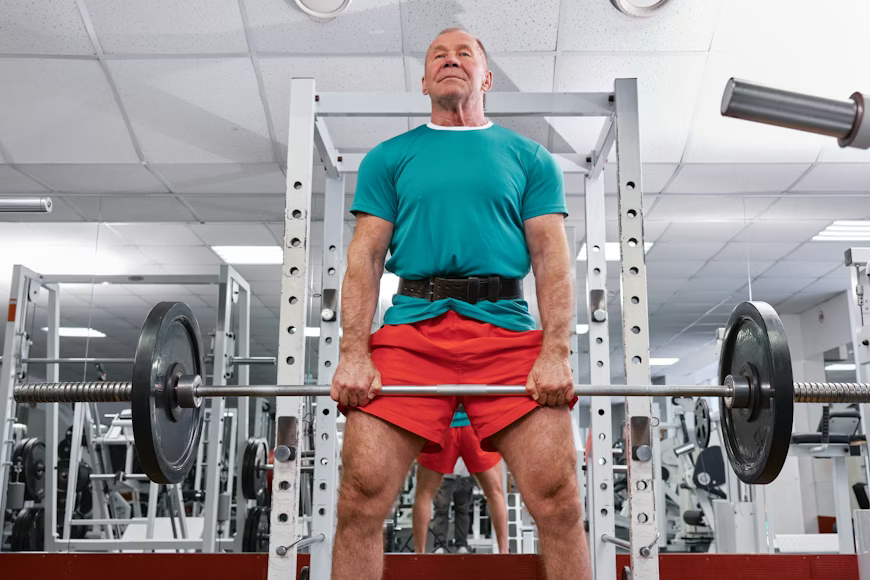
Multi-joint exercises form the foundation of effective training after 40. Movements such as squats, deadlifts, and presses recruit multiple muscle groups at once, making them efficient and functional. These compound exercises for older adults help build total-body strength, support coordination, and reinforce movement patterns used in daily life. When performed with proper form and manageable loads, they fit well into a balanced full-body strength workout over 40.
Bodyweight Exercises
Bodyweight movements are highly effective and accessible, especially for those easing into a routine. Exercises like push-ups, step-ups, lunges, and wall sits improve strength without placing excessive stress on the joints. Bodyweight exercises over 40 are ideal for developing control, balance, and endurance while allowing individuals to progress at their own pace.
Resistance Bands vs Free Weights
Both tools offer unique advantages. Resistance band workouts for 40+ provide constant tension and are gentle on the joints, making them excellent for home routines or rehabilitation-focused training. Free weights, on the other hand, improve coordination and stabilize muscles when used correctly. Choosing between them depends on experience level, goals, and available equipment, and many adults benefit from combining both approaches.
Machine Exercises for Joint Safety
Strength machines offer guided movement patterns that reduce the need for balance and stabilization. This makes them especially useful for beginners or those managing joint concerns. In many gym workouts for people over 40, machines help isolate muscles safely while maintaining proper alignment. When used alongside free weights and functional movements, machines contribute to a well-rounded and joint-friendly training program.

Beginner Strength Training Workout Plan (40+)
Weekly Workout Split Example
For those just getting started, structure and simplicity matter. A balanced weekly workout plan for adults over 40 often includes three training days spread across the week, allowing sufficient recovery between sessions. A typical split might focus on full-body sessions on non-consecutive days, ensuring all major muscle groups are trained without excessive fatigue. This approach works well for anyone exploring how to start strength training at 40 and builds consistency without overwhelm.
Sets, Reps, and Rest Guidelines
Beginners benefit most from moderate volume and controlled intensity. Performing two to three sets of 8–12 repetitions per exercise allows muscles to adapt safely. Rest periods of 60–90 seconds between sets help maintain energy while supporting proper technique. This structure answers a common concern—how many days a week should you lift after 40—by emphasizing recovery as much as effort.
At-Home vs Gym Training Options
Both environments can be effective, depending on lifestyle and access. Strength training at home over 40 is ideal for convenience and consistency, using bodyweight, resistance bands, or light dumbbells. For those who prefer variety and equipment, gym-based programs provide access to machines and heavier weights. Even home strength workouts over 40 can be time-saving and efficient, making them perfect for individuals seeking time-efficient workouts for busy adults while still building strength safely and progressively.
Strength Training for Men vs Women Over 40
Muscle Loss Differences
Both men and women begin to experience sarcopenia, or age-related muscle loss, after 40. However, the rate and pattern can vary. Men typically start with higher levels of lean muscle mass, but they may lose it more rapidly if they stop regular resistance training after 40. Women, on the other hand, often experience a slower decline but begin with less overall muscle mass.
For both genders, strength training over 40 plays a key role in helping maintain muscle mass after 40 and supporting everyday movement. Proper strength exercises for middle-aged adults also improve balance and coordination, reducing injury risk as the body ages. Consistent workouts help prevent muscle loss with age while preserving mobility and strength for daily activities.
Hormonal Changes and Training Adjustments
Hormonal changes significantly affect how the body responds to training after 40. Men experience gradual declines in testosterone, which can impact muscle building after 40 and slow recovery. Women often face sharper hormonal shifts during menopause, affecting energy levels, bone mineral density, and joint health.
Because of these changes, strength training for men over 40 often benefits from structured routines that emphasize progressive overload while allowing adequate recovery and rest days. For women, strength training for women over 40 should focus on joint-friendly movements, controlled range of motion, and exercises that help improve bone density after 40.
In both cases, resistance training after 40 should be adjusted for recovery capacity. Prioritizing proper warm-ups, mobility work, and rest helps ensure safe strength training for seniors and reduces overuse injuries.
Strength Goals for Both Genders
While goals may differ slightly, the core objectives of strength training benefits for aging adults remain the same for men and women. These include preserving muscle strength, supporting functional fitness, and maintaining independence. Instead of focusing purely on aesthetics, strength workouts for 40+ adults should emphasize full-body movement patterns and real-world strength.
For men, goals often include sustaining strength levels and supporting long-term joint health. Women may focus more on improving posture, protecting bones, and enhancing overall stability. Regardless of gender, following a balanced strength training routine over 40 helps ensure progress without excessive strain.
Ultimately, whether training at home or in the gym, strength training at this stage of life is about consistency, smart programming, and respecting how the body changes with age—while still proving that yes, you can build muscle after 40.
Nutrition Tips to Support Strength Training After 40
Protein Intake Recommendations
Adequate protein intake is essential for maintaining and rebuilding muscle tissue as we age. After 40, the body becomes less efficient at using protein for muscle repair, making protein timing and quality more important. Including protein with every meal helps support muscle protein synthesis and improves recovery from resistance training.
For adults over 40, prioritizing high-quality protein sources such as lean meats, eggs, dairy, legumes, and plant-based proteins can help preserve muscle mass. Spreading protein intake evenly throughout the day is often more effective than consuming most of it in one meal, especially for those focused on building or maintaining strength.
Importance of Hydration
Hydration is often overlooked but directly affects strength performance and recovery. As the body ages, the sensation of thirst may decrease, increasing the risk of dehydration during workouts. Even mild dehydration can reduce strength output, joint lubrication, and overall workout quality.
Proper hydration supports muscle function, nutrient delivery, and temperature regulation during training sessions. Drinking water consistently throughout the day—not just during exercise—helps maintain energy levels and reduces fatigue, especially during strength workouts for adults over 40.
Supplements (Creatine, Vitamin D, Omega-3s)
Certain supplements can provide additional support for strength training after 40 when used appropriately. Creatine is one of the most researched supplements and may help improve strength, muscle endurance, and recovery, particularly for older adults engaged in resistance training.
Vitamin D plays a vital role in bone health, muscle function, and immune support. Many adults over 40 have low vitamin D levels, which may negatively affect strength and recovery. Adequate intake supports both muscular and skeletal health.
Omega-3 fatty acids are known for their anti-inflammatory properties and may help reduce muscle soreness and joint stiffness. They also support heart health, which becomes increasingly important with age. While supplements can be helpful, they should complement—not replace—a balanced, nutrient-rich diet.
Recovery, Mobility, and Injury Prevention
Importance of Sleep
Quality sleep plays a major role in muscle recovery, hormone regulation, and overall performance. During deep sleep, the body repairs muscle tissue stressed during strength workouts and restores energy levels. Poor sleep can slow recovery, reduce strength gains, and increase the risk of injury.
For those engaged in regular strength training, prioritizing consistent sleep schedules and adequate rest supports muscle repair and helps maintain strength over time. Adults over 40 often notice improved workout performance and recovery when sleep becomes a non-negotiable part of their fitness routine.
Stretching and Mobility Routines
Mobility naturally declines with age, making stretching and mobility work essential components of a strength program. Regular mobility routines help maintain joint range of motion, improve posture, and reduce stiffness caused by repetitive movements or long periods of sitting.
Dynamic stretches before workouts prepare muscles and joints for movement, while gentle static stretching after training supports flexibility and recovery. Incorporating mobility exercises into strength training after 40 improves movement quality and helps reduce joint stress during lifts and functional movements.
Listening to Your Body and Avoiding Overtraining
One of the most important skills for adults over 40 is learning to listen to their body. Persistent soreness, declining performance, or joint discomfort may signal the need for additional rest or reduced training intensity.
Overtraining can increase injury risk and slow progress, especially when recovery capacity decreases with age. Adjusting workout volume, taking rest days when needed, and modifying exercises allows strength training to remain effective and sustainable. By respecting recovery signals, adults over 40 can continue building strength safely while avoiding burnout and long-term injuries.
Common Strength Training Mistakes After 40
Lifting Too Heavy Too Soon
One of the most frequent mistakes adults make after 40 is lifting weights that are too heavy before their body is ready. While previous training experience may create confidence, muscle strength, joint resilience, and recovery capacity can change with age.
Gradually increasing resistance allows the body to adapt safely while supporting consistent progress. Starting with manageable loads improves muscle engagement, protects joints, and reduces the likelihood of strains or setbacks that can interrupt training routines.
Ignoring Form and Mobility
Proper technique becomes even more critical with age. Poor lifting form places unnecessary stress on joints, tendons, and the lower back, increasing injury risk. Limited mobility can further compromise movement quality, making exercises less effective and more dangerous.
Focusing on controlled movements, correct posture, and full range of motion helps maximize strength gains while protecting the body. Regular mobility work improves flexibility and supports safer execution of strength exercises, especially for adults over 40.
Skipping Rest and Recovery
Rest and recovery are essential parts of any effective strength training plan. Skipping rest days or training intensely without adequate recovery can lead to fatigue, joint discomfort, and reduced performance over time.
After 40, the body often requires more time to repair muscle tissue and restore energy levels. Allowing proper recovery between workouts supports muscle growth, prevents overuse injuries, and helps maintain consistent progress. Prioritizing rest ensures strength training remains sustainable and beneficial long term.
How Long Does It Take to See Results After 40?
Realistic Strength and Muscle Timelines
In the first few weeks, early gains often come from improved coordination and muscle activation rather than visible muscle growth. Many adults notice increases in strength within four to six weeks as the nervous system becomes more efficient during resistance training.
Visible changes in muscle tone and body composition typically take longer, often appearing after two to three months of consistent training. Muscle building after 40 requires patience, as recovery and protein synthesis occur more slowly. However, steady progress is achievable with a well-structured strength training routine over 40 that balances intensity and recovery.
Tracking Progress Safely
Tracking progress helps maintain motivation while ensuring training remains safe. Instead of focusing solely on heavier weights, adults over 40 benefit from tracking multiple indicators of progress, such as improved exercise form, increased repetitions, better balance, and reduced joint discomfort.
Using a training log, noting recovery quality, and paying attention to energy levels can help identify when adjustments are needed. Progress should feel challenging but sustainable. By focusing on long-term improvement rather than quick results, adults over 40 can continue building strength while minimizing injury risk.
Conclusion
Long-Term Benefits of Strength Training Over 40
Strength training over 40 delivers benefits that extend far beyond building muscle. Over time, it helps preserve strength, support joint stability, and maintain functional movement for daily life. Regular resistance training also contributes to better posture, improved balance, and reduced risk of age-related muscle loss, allowing adults to stay active and independent as they age.
Consistent strength training supports metabolic health, bone density, and overall physical resilience. These long-term benefits accumulate gradually, making strength training one of the most effective tools for maintaining quality of life well into later years.
Encouragement to Start and Stay Consistent
Starting strength training after 40 can feel intimidating, but progress comes from consistency rather than intensity. Small, regular efforts build momentum and allow the body to adapt safely. Even modest workouts performed consistently can lead to meaningful improvements over time.
Staying consistent means listening to your body, allowing adequate recovery, and focusing on sustainable habits rather than quick results. With patience and commitment, strength training becomes a long-term investment in health, confidence, and physical independence—proving that it is never too late to get stronger.
FAQs
Why should adults over 40 start strength training?
Strength training helps slow age-related muscle loss, improves bone density, boosts metabolism, reduces injury risk, and supports long-term health and independence.
How often should I do strength training?
Aim for strength training at least 2–3 times per week, focusing on all major muscle groups each session — this aligns with general fitness recommendations.
Do I need a gym to get started?
No — you can begin with bodyweight exercises, resistance bands, or free weights at home. What matters most is consistency and proper progression.
Can strength training be safe at my age?
Yes — when done with proper form, appropriate loads, and adequate warm-up, strength training is safe and effective for adults over 40. It often reduces the risk of injuries more than it causes them.
Will strength training make me “bulky”?
No — for most adults, strength training leads to leaner and stronger muscles, not excessive bulk. Muscle growth is highly individual and influenced by training style, nutrition, and genetics.
Do I need to change my diet?
Consuming sufficient protein and balanced nutrients helps support muscle growth and recovery, especially when strength training regularly.
Is it too late to start after 40?
Not at all — starting strength training at any age yields significant benefits, including improved strength, balance, and overall health.
How long until I see results?
Many people notice improvements in strength, energy, and daily function within a few weeks to months, depending on consistency and effort.




3 thoughts on “Strength Training for Adults Over 40”